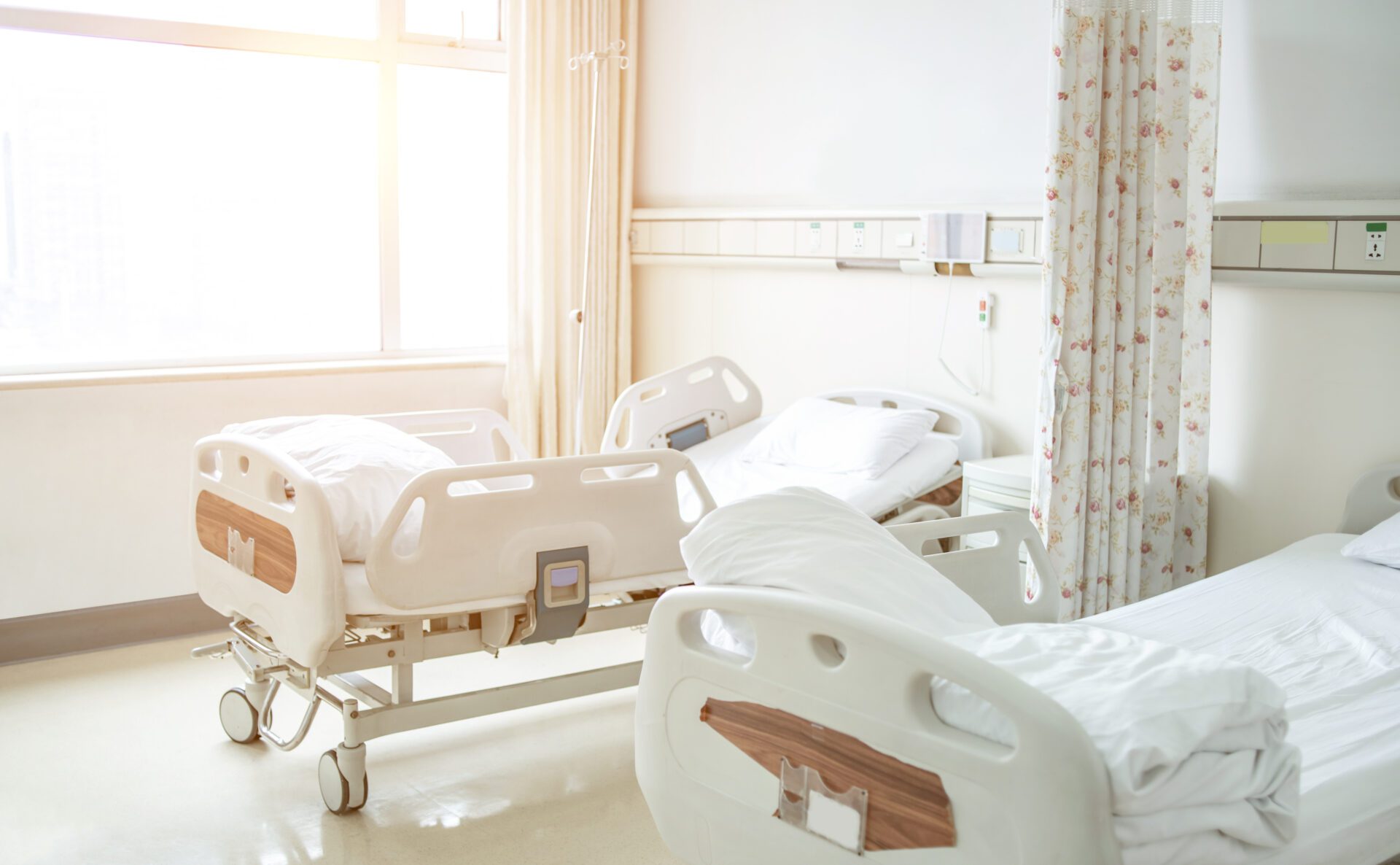
In today’s healthcare design, every detail matters. From patient comfort to operational efficiency, estates teams and architects are always looking for innovations that enhance the care environment. One solution gaining momentum is integral blinds, blinds sealed within the glazing unit. These systems offer clear benefits, from easier infection control to improved comfort and privacy, making them an increasingly popular choice in hospitals and care homes across Northern Ireland.
Infection Control
Hygiene is a top priority in any healthcare setting. Unlike traditional blinds or curtains, integral blinds are sealed within the glass, removing exposed surfaces where dust and pathogens can collect. This design makes them far easier to keep clean and supports the rigorous cleaning standards expected across NHS and HSCNI facilities.
Some systems now include antimicrobial coatings on external mechanisms and housings, adding another layer of protection. Because the blinds never require separate cleaning, they also reduce maintenance time for estates teams and limit potential “infection bridges” in sensitive areas.
Patient Comfort
Comfort plays an important role in recovery. Integral blinds allow precise control over light, glare, and privacy, helping patients create calmer, more restful spaces. By improving sleep quality and stabilising room temperatures, these systems contribute to a healing environment.
For clinical staff, the ability to adjust blinds quickly and discreetly supports both patient dignity and observation routines.
Privacy and Dignity
Protecting privacy is essential in healthcare. Integral blinds provide a hygienic alternative to curtains, maintaining confidentiality while still allowing natural light into the room. They are particularly effective in wards, consultation rooms, and treatment spaces where dignity and sensitivity are paramount.
Healthcare design publications have noted that integral blinds are becoming a preferred solution, thanks to their ability to combine infection control with discreet, modern design.
Aesthetic Appeal and Versatility
Practicality doesn’t mean compromising on design. Integral blinds come in a wide range of colours, finishes, and operation methods, allowing them to complement both contemporary hospital builds and traditional care home refurbishments.
Specialist specifications can also be tailored for dementia and mental health care environments, with calming colour palettes and anti-ligature designs that prioritise both safety and wellbeing.
Safety and Durability
Because they are enclosed within the glazing, integral blinds are shielded from tampering, dust, and everyday wear. Their cordless design removes entanglement risks, which is particularly important in paediatric and dementia care settings. Fire-rated glazing options can also be specified when additional safety is required.
Compliance and Efficiency
Integral blinds can be specified to align with NHS and HSCNI estates guidance, including infection control, fire safety, and accessibility considerations. They can also support sustainability goals: by improving insulation and reducing the need for separate shading products, they contribute to energy efficiency and lower running costs.
Smart and Automated Solutions
Automation is increasingly important in healthcare. Many integral blind systems now feature magnetic, remote, or motorised operation, minimising touch points and improving accessibility.
Some models can be integrated with building management systems, enabling staff to control light and privacy centrally. In doors and vision panels, switchable glazing and integral blinds are already enhancing privacy at the touch of a button.
Local Case Studies
Hospitals and care homes across Northern Ireland are already benefitting from integral blind technology. At Altnagelvin Hospital, more than 130 hermetically sealed units, many motorised, were installed, giving staff easier cleaning routines and improved privacy control.
Across the wider UK, privacy vision panels with integral blinds are now widely used in NHS hospitals, underlining the growing adoption of this technology.
Community and Patient Experience
Feedback from staff and patients has been consistently positive: less glare, easier cleaning, greater privacy, and a calmer overall environment. Smaller care homes can also retrofit integral blinds into existing glazing, and some projects may qualify for refurbishment or sustainability funding.
At Excel Glass, we work closely with estates teams, facilities managers, and designers to deliver integral blind solutions that make everyday care environments safer, more efficient, and more comfortable.
Next Steps
If you are interested in our Integral Blinds Systems, contact Excel Glass today. Call us, email us, or visit our Belfast showroom to explore options first-hand.
To stay up to date with our latest projects and news, follow us on Instagram and Facebook.
If you enjoyed this article, you may also like our blog on decorative glass solutions for windows and doors.